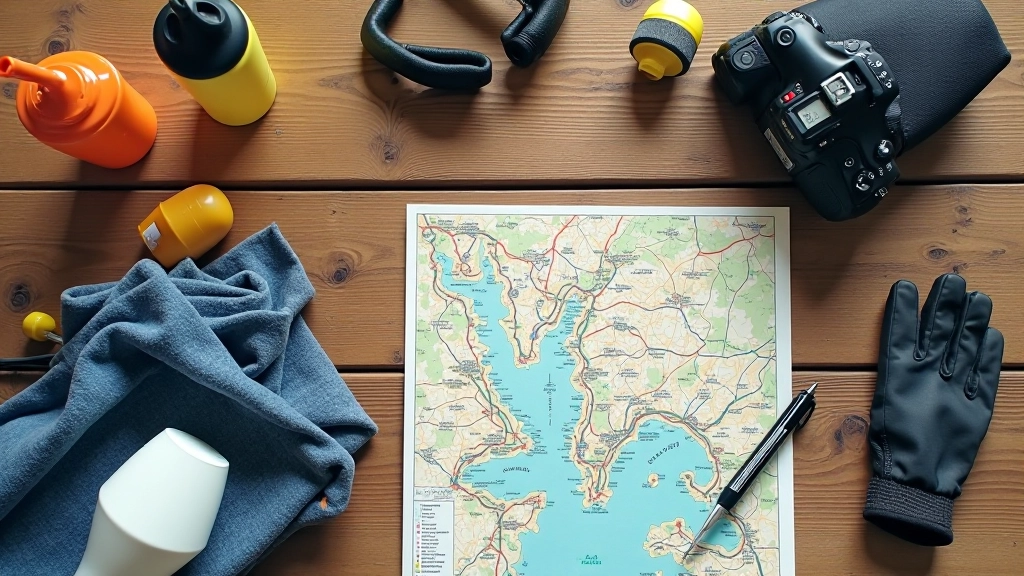
Getting Your Bike Ready for Coastal Riding
Check tire pressure, brakes, and gears before you ride. We walk through the simple maintenance checks that take 10 minutes and prevent problems on the road.
Read article
Spring through autumn offer perfect cycling conditions along Liepāja's coastal routes. Learn when to ride for calm waters, comfortable temperatures, and fewer crowds.

When you ride matters. A lot. The Liepāja coastal loop is beautiful year-round, but there's a sweet spot — roughly May through September — when conditions are genuinely ideal. We're talking calm winds, water temperatures that aren't shocking, and fewer unpredictable weather swings.
This guide breaks down each season. You'll learn what to expect weather-wise, how busy the routes get, and what preparation works best for different times of year. The point isn't to discourage winter riding — it's to help you plan realistically and enjoy your time on the bike.
Spring's when you'll notice the coast waking up. April can still be chilly — expect 8–12°C mornings — but by May you're looking at 14–18°C, which feels genuinely pleasant once you're moving. The wind tends to be moderate, and those long evenings start creeping in. Days go from 15 hours to nearly 17 hours of daylight.
The loop fills with locals rediscovering their bikes after winter. You won't feel crowded, but you'll see familiar faces again. Rain is still common — pack a light rain jacket. The water itself? Still cold. 8–10°C. Not ideal for swimming, but you're cycling, not jumping in.
Best days: Late April and May. Weather's stabilizing, and you've got room to ride.
Pack: Layering is essential. Start with a long-sleeve base, add a wind-resistant jacket, bring gloves for early mornings.
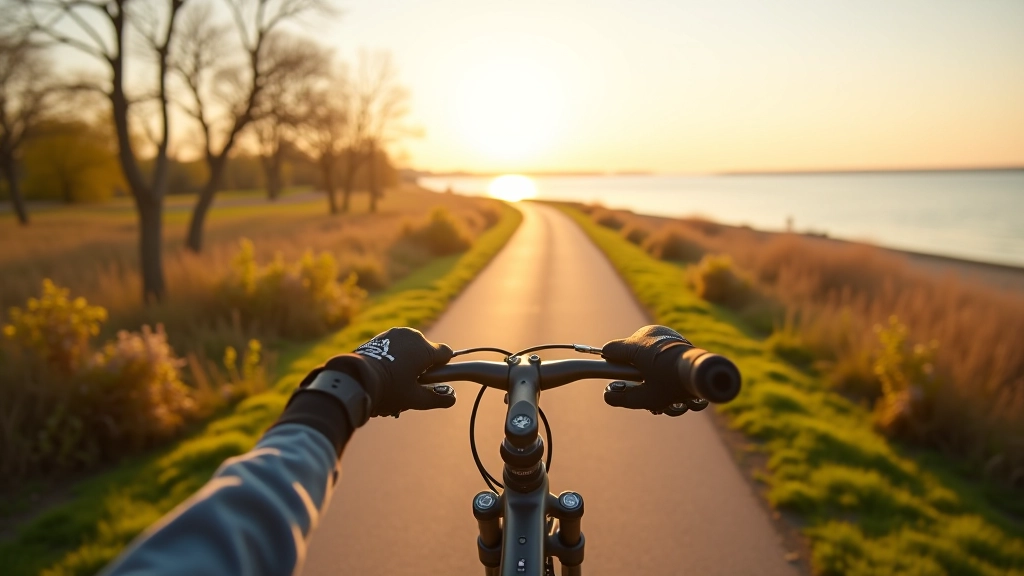
This is when everyone wants to ride. July and August hit 20–22°C consistently, the water warms to 17–19°C, and you've got 17+ hours of daylight. Sunsets happen around 9:15 PM in July. It's gorgeous. It's also busy. Weekends pack with tourists, families, and recreational cyclists from across Latvia.
The route itself stays safe and well-maintained, but you'll want to ride early — 7 or 8 AM — if you prefer quieter stretches. Afternoons can feel crowded. The wind's generally lighter in summer, though occasional stronger gusts still happen. Rain's less frequent but not impossible.
If you don't mind company and want the warmest, most comfortable riding, summer's perfect. Just accept that you're sharing the space.
Pro tip: Ride early in the day. By 10 AM the route fills up. Early starts also mean cooler temperatures before afternoon heat peaks.
Note: Weather conditions and seasonal patterns can vary year to year. This guide reflects typical conditions based on historical data. Always check local forecasts before heading out, and adjust your plans based on current conditions.
September is honestly the best month to ride. Temperatures settle around 16–18°C — warm enough to be comfortable without the summer heat. The water's still reasonable at 15–16°C. Most importantly, the crowds thin out dramatically. School starts, tourists leave, and the loop feels like it belongs to locals again.
Daylight shrinks fast though. By October you're down to 10–11 hours. September gives you roughly 13 hours, which is still plenty for a full afternoon ride. Wind starts picking up mid-month, and rain becomes more regular. But if you dress right, it's not a problem — it's actually refreshing.
October's trickier. Some days are beautiful. Others are genuinely unpleasant — cold rain, stronger wind, unpredictable conditions. If you're comfortable riding in variable weather, you'll find gorgeous empty stretches and autumn light that's hard to beat.
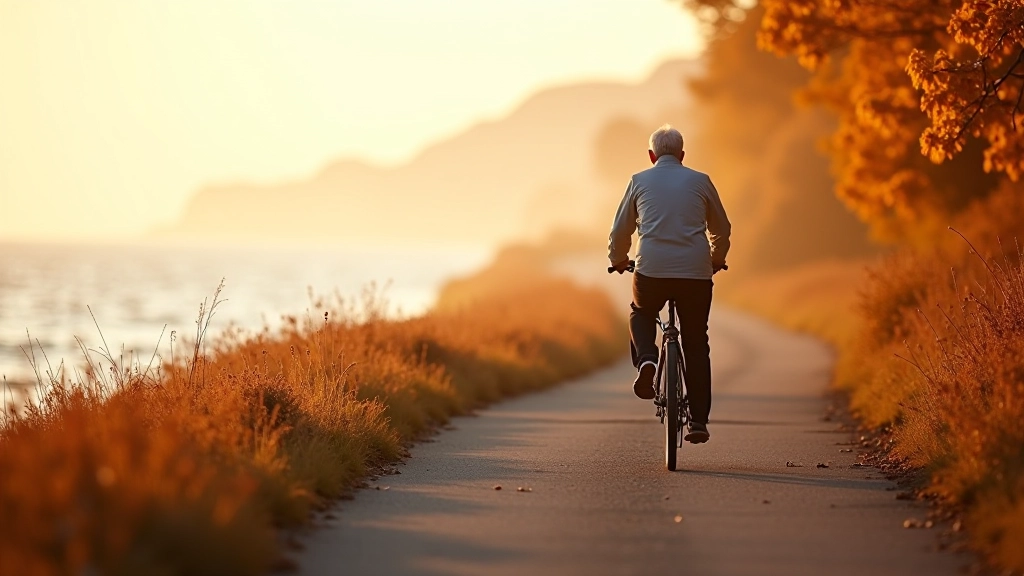
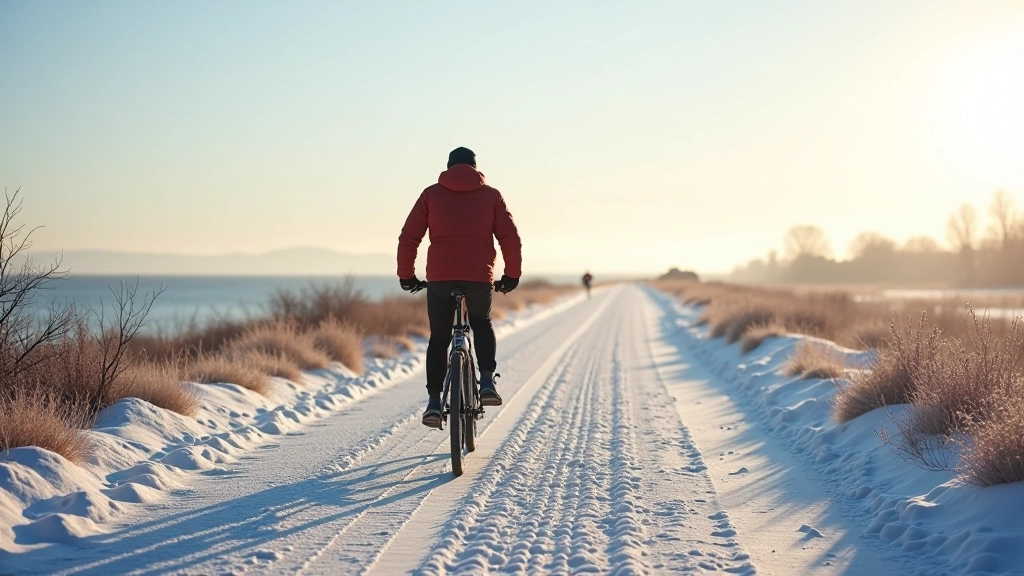
Winter's not impossible, but it's definitely not beginner-friendly. November starts the decline — 6–7°C, shorter days, and increasingly unpredictable weather. By December you're down to 8 hours of daylight and temperatures hovering around 2–4°C. January and February are the harshest. 0–2°C, strong winds, occasional ice on the path, and the risk of unexpected snow.
Some experienced riders love winter. The path's quiet, the light's clear, and there's something peaceful about cold coastal rides. But it requires proper gear — winter-specific cycling gloves, thermal layers, waterproof everything. Your bike needs attention too. Salt spray and cold temperatures are tough on components.
If you're not regularly riding in these conditions, winter's probably when you take a break or shift to indoor training. No shame in that. The loop will be there when spring comes back.
Temperature: 8–18°C
Crowds: Light to moderate
Temperature: 18–22°C
Crowds: Heavy (especially weekends)
Temperature: 10–18°C
Crowds: Light
Temperature: 0–7°C
Crowds: Very light
There's no single "best" time to ride the Liepāja loop. It depends on what you value. Want warmth and long days? Summer's your answer. Prefer quiet routes and perfect comfort? September wins. Don't mind cold and want total solitude? Winter's got that too. The point is knowing what you're getting into — and we've laid it out here.
Most riders find their groove in late spring through early autumn. That's when you get the best mix of comfort, light, and manageable conditions. But you don't have to follow the crowd. The loop's accessible most of the year if you prepare properly.
Check the forecast, dress for the conditions, and get out there. The Baltic coast is waiting.