Getting Your Bike Ready for Coastal Riding
Check tire pressure, brakes, and gears before you ride. We walk through the simple maintenance steps that keep your bike running smoothly.
Read Article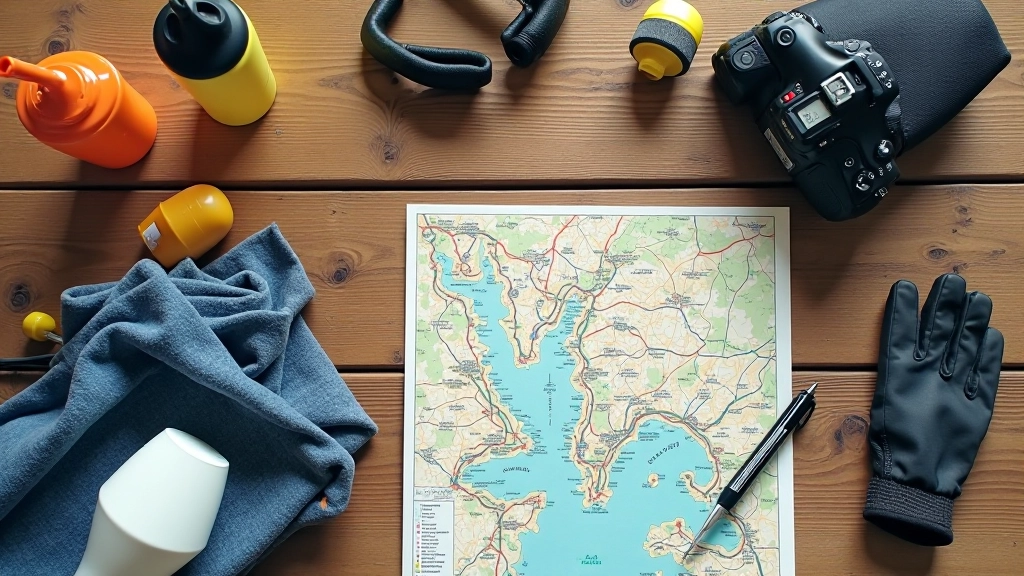
Water, sun protection, and a basic repair kit. We've got a checklist of essentials that'll fit in a small backpack.

The Liepāja Loop is about 35 kilometers of mostly flat terrain along the coast. It's not a long distance, but you'll want to be prepared for what the weather throws at you. The good news? You don't need much. A small backpack with the right essentials makes all the difference between a great ride and one you'll regret.
We've ridden this route dozens of times, and we've learned what actually matters. It's not fancy gear or expensive equipment. It's the basics — water, protection from the sun, something for mechanical issues, and a bit of comfort. That's really it.
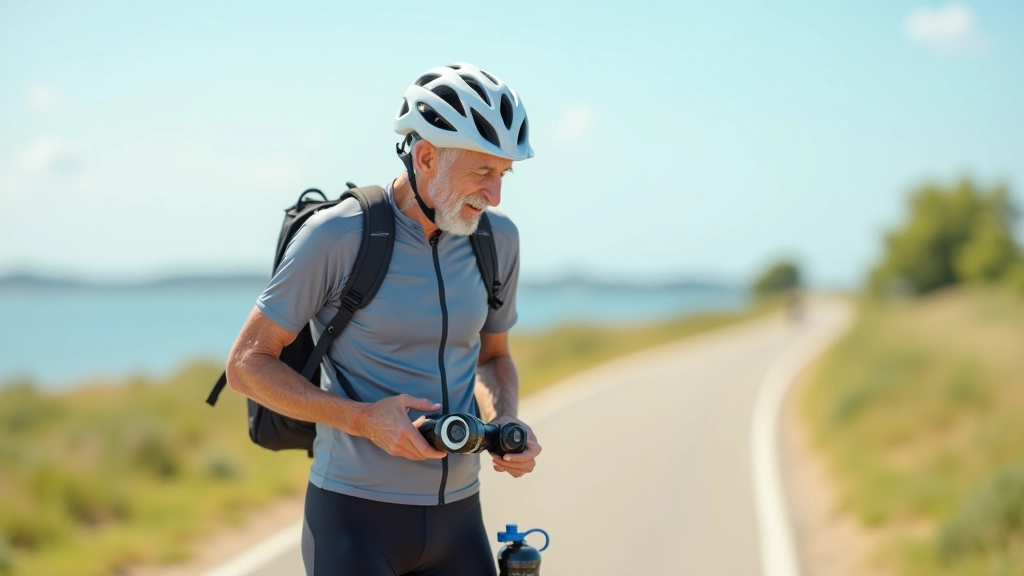
You'll get thirsty. Even on cooler days, cycling works your body. Bring more than you think you'll need — it's lighter than you expect and you won't regret having it.
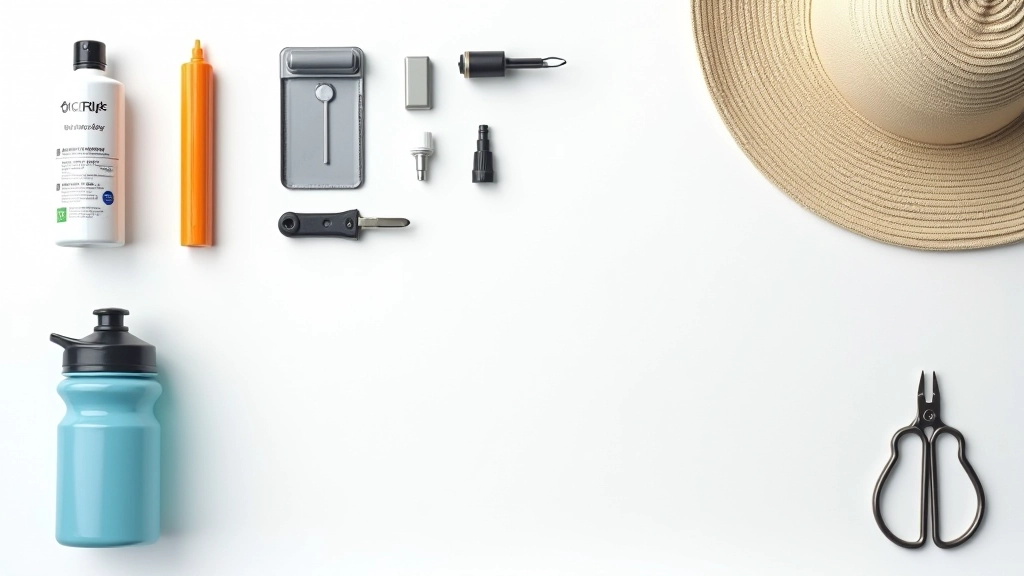
The coastal wind makes you forget about sun exposure. Apply it before you ride, and carry a small stick or travel-size bottle to reapply. Your skin will thank you later.
A small puncture repair kit, tire levers, and a compact multi-tool. You probably won't need them, but if your tire goes flat 20 kilometers from home, you'll be grateful you have them.
A small ID card and your phone. Doesn't take much space. Just enough for emergencies or if you decide to grab coffee halfway through.
A couple of adhesive bandages, some pain relief, and maybe a small antiseptic wipe. Most of the time you won't touch them. But a small cut or blister becomes manageable.
Lightweight, packable, and worth it. Protects your face from sun and keeps sweat from your eyes. You can stuff it in a backpack when you're not wearing it.
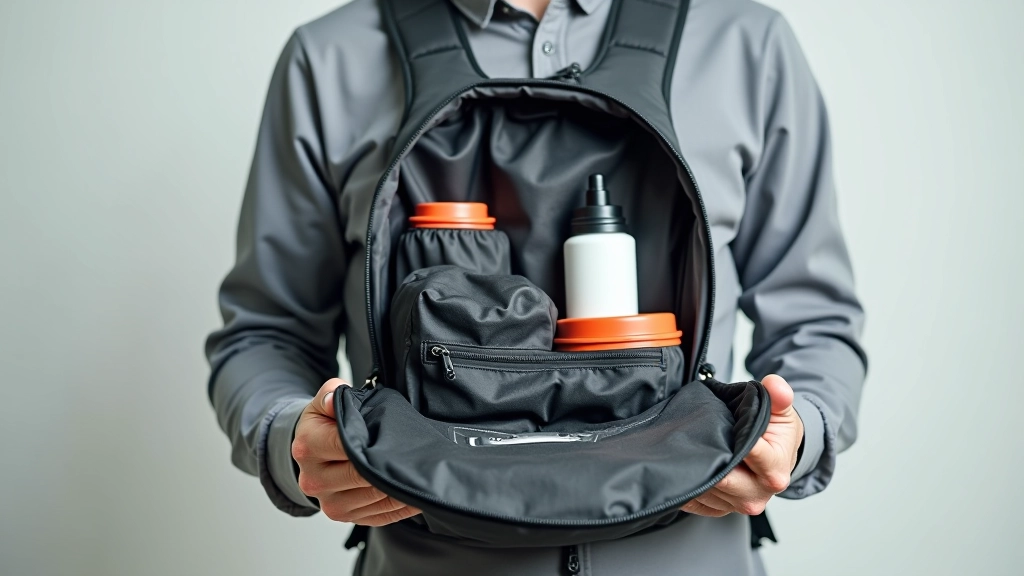
You don't need much. A small backpack sits comfortably on your back without bouncing around. Avoid oversized bags — they'll just tempt you to carry things you don't need. Look for one with padded straps and a chest strap to keep weight stable.
Put your water bottle in the side pocket where you can reach it without stopping. Sunscreen goes in an easy-access pocket — you'll reapply it a few times. The repair kit stays in the main compartment. Keep your phone accessible but protected.
Weight distribution matters more than you'd think. Keep heavier items close to your back. This keeps your center of gravity stable and makes pedaling easier, especially on longer stretches.
Summer rides need extra sun protection. Winter and spring? Add a lightweight windproof layer — the coastal breeze can get cold quickly. Autumn is unpredictable, so pack a small rain jacket. It doesn't weigh much and it's better to have it than need it.
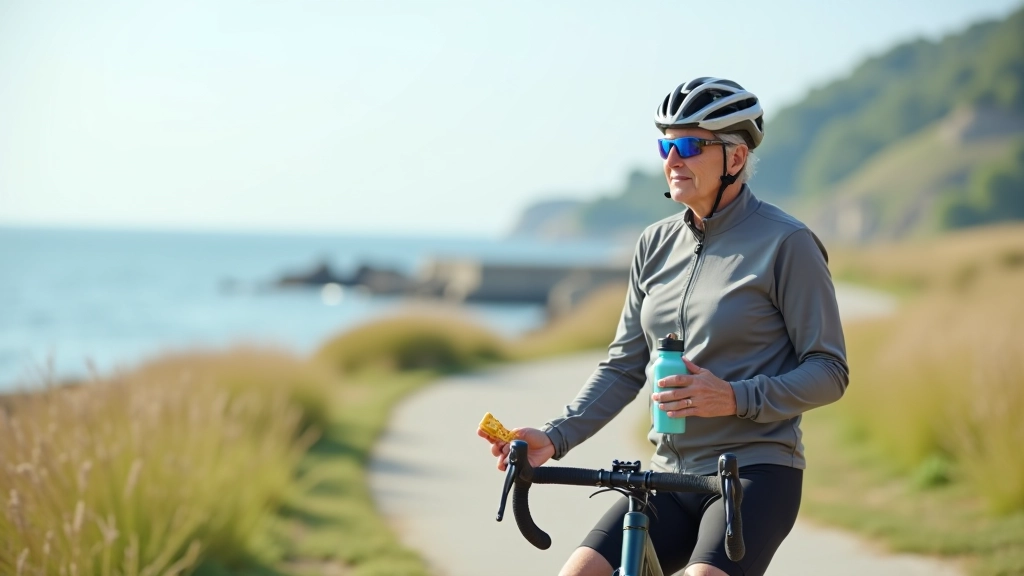
You're not climbing mountains, so you don't need energy bars. But a banana or a handful of nuts halfway through? That keeps you feeling good. Energy dips are real, and a quick snack fixes it. Keep it light and simple — nothing that'll melt in your pack.
Wet wipes or a small towel matter more than you'd expect. You'll get sweaty, and wiping your face feels good. A few tissues handle runny noses (the wind does that). Lip balm with SPF prevents chapped lips from wind exposure.
The Liepāja Loop is designed for leisurely riding. You're not in a race. Pack your essentials, ride at a comfortable pace, and take breaks when you want. Stop in Liepāja town for a proper coffee if you feel like it. That's the whole point of cycling here — enjoying the coast without pressure.
Most riders complete the loop in about 2-3 hours with stops. Don't rush it. The scenery is the best part, and you'll appreciate it way more when you're not exhausted.
You're overthinking this. Grab a backpack, throw in water and sunscreen, toss in a small repair kit, and go. The Liepāja Loop doesn't demand fancy equipment or a ton of preparation. It's a beautiful ride along the coast, and with these essentials packed, you'll be comfortable the whole way.
The best part? You've got everything you need to handle whatever the ride throws at you. Flat tire? You're covered. Thirsty? Water's right there. Sun getting intense? You've got protection. That peace of mind makes the whole experience better.
Start with this checklist, ride the loop, and you'll learn what you actually need. Every rider's different, and you might find you want to add or remove things next time. But this foundation? It's solid. It works. And it'll get you around the Liepāja Loop feeling good.
Check your bike before you go. Make sure the tires are properly inflated and brakes work smoothly.
Read Our Bike Maintenance GuideThis article provides educational information about packing essentials for cycling the Liepāja Loop. Individual needs vary based on fitness level, weather conditions, and personal preferences. Always check weather forecasts before riding, wear a helmet, and follow local traffic rules. If you have health concerns, consult with a healthcare provider before undertaking long cycling rides. Cycling involves inherent risks, and proper equipment maintenance and safety precautions are essential.