Getting Your Bike Ready for Coastal Riding
Check tire pressure, brakes, and gears before you ride. We walk through the simple maintenance checks that keep you safe on the Liepāja loop.
Read Article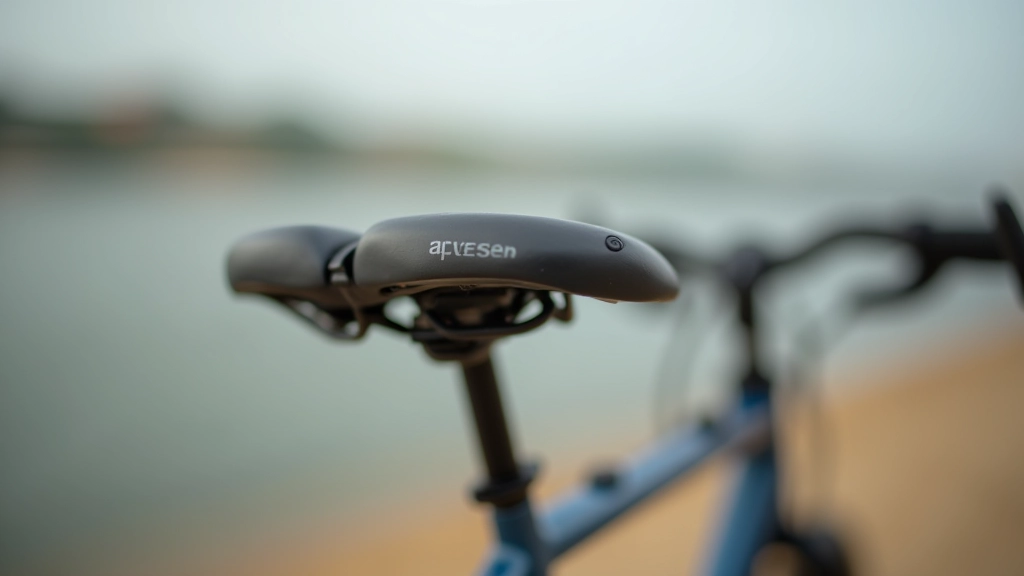
Your seat position and handlebar height matter. Small adjustments make the difference between an enjoyable ride and soreness.
You can't enjoy a ride if you're in pain. That's the simple truth. Whether you're cycling the Liepāja loop for the first time or you've been riding for years, getting your bike setup right changes everything.
We're not talking about expensive upgrades or fancy equipment. It's about positioning — how your body sits on the bike, where your hands grip, how your legs extend. These details matter far more than most people realize. When everything aligns properly, you'll ride longer, recover faster, and actually look forward to your next trip.
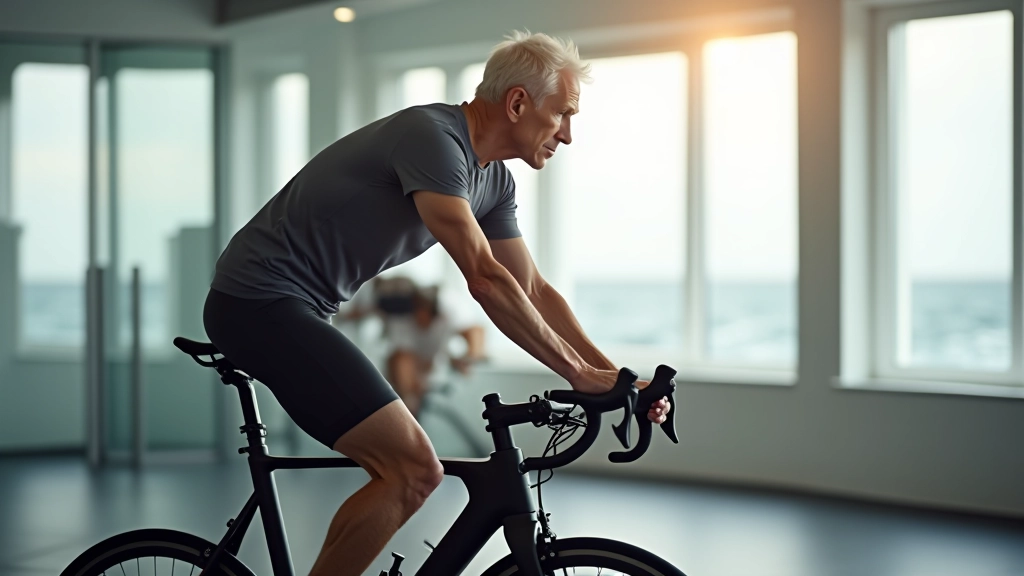
This is the foundation. Your seat height determines how much power you generate and whether your knees stay healthy. Too low and you're wasting energy, straining your quads. Too high and you're reaching too far, putting stress on your lower back.
Here's the simple test: sit on your bike in cycling shoes (or wear socks the same thickness). Put one pedal at the bottom position — your leg should have a slight bend at the knee, about 25-30 degrees. Not locked straight. Not cramped. Just a comfortable angle. Your heel should be able to reach the pedal without your hips rocking side to side.
Most people start too low. We tend to feel more stable that way, but it's actually less efficient and harder on your joints. Don't be afraid to raise it gradually. You'll feel the difference after a few rides.
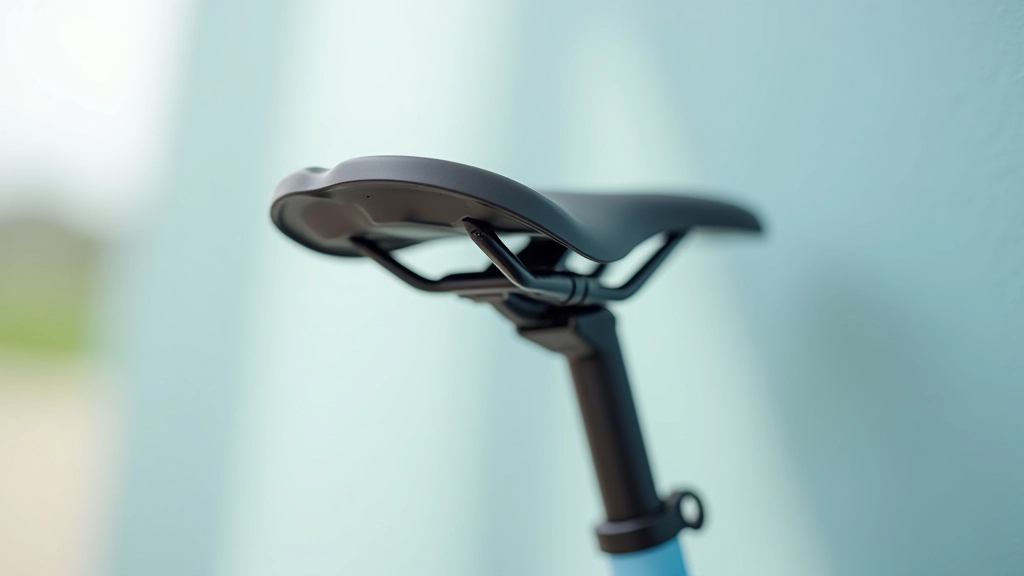
Once height is dialed in, think about where the seat sits along the rails. This is about weight distribution. Slide your seat forward if you want more pressure on the pedals and better control. Move it back if you want to reduce strain on your knees and put more weight on your hands and arms.
For coastal riding, we recommend starting neutral — the seat roughly centered on the rails. This gives you flexibility to adjust based on how your back feels. If you're getting lower back soreness after rides, you might need to slide the seat back slightly, which takes pressure off your lower back and transfers it to your hands.
The whole process takes maybe 15 minutes. Loosen the seat rail clamp (most bikes use a simple wrench), shift it slightly, tighten, and test. Make one small change at a time. Don't overdo it.
This article provides educational information about bicycle comfort setup. Everyone's body is different — what works perfectly for one rider might need adjustment for another. If you experience pain while cycling, consider consulting a professional bike fitter or your doctor. Proper bike setup can prevent discomfort, but it's not a substitute for professional medical advice.
Your hands spend as much time on the bars as your backside spends on the seat. Getting this wrong causes wrist pain, numb fingers, and neck tension. The good news? You've got options here.
For leisure cycling like the Liepāja loop, your handlebars should be relatively high — roughly level with your seat, or even slightly higher. This keeps your spine more upright, reducing strain on your shoulders and lower back. It's not about being aerodynamic; it's about being comfortable for 20-30km of riding.
If your bike has a stem (the part connecting the fork to the handlebars), you might be able to flip it or replace it to raise the bars. Some bikes use spacers under the stem. A shop can help if you're not sure, but many adjustments are straightforward enough to do at home.
Don't make all your adjustments at once and expect to feel perfect immediately. Your body needs time to adapt to changes. Make one adjustment, ride for a few days, then evaluate. That way you'll know what actually helped.
Day 1-2: Some soreness is normal — you're using muscles in a new way. Don't panic.
Day 3-4: Initial soreness should fade. If pain is increasing, something's wrong.
After a week: You'll know if the setup works. If you're still sore in the same spots, adjust something.
Sharp pain means stop and reassess. Dull soreness that fades over a few days is usually just adaptation. Don't ignore signals from your body — they're telling you something.
Spending an hour getting your bike setup right might seem like a lot upfront. But consider what you get in return: rides where your knees don't hurt, your back doesn't ache, your hands don't go numb. That's freedom. That's the ability to ride 25km, 30km, or further without dreading recovery the next day.
You've invested in a good bike. You're investing time in exploring Latvia's coastal routes. Don't skip the comfort piece. It's the difference between cycling being something you tolerate and something you genuinely enjoy.
Start with seat height. Get that dialed in. Then tackle seat position. Finally, adjust the bars. Three changes, massive difference. You've got this.